Alabaster Dawn
Explore Alabaster Dawn guides for Early Access, combat, weapons, elements, puzzles, dungeons, builds, cooking, and official Steam links.
Latest Updates
Discover the newest guides, tips, and content
Alabaster Dawn Animation: Enhancing the 2.5D Action RPG Experience 2026
Explore how Alabaster Dawn's animation style contributes to its fast-paced combat, immersive exploration, and engaging puzzle-solving in this 2.5D Action RPG.
Alabaster Dawn Cabbage: The Ultimate Farming & Cooking Guide 2026
Discover everything about Alabaster Dawn Cabbage, including where to find it, how to farm it efficiently, and its uses in cooking and buffs in 2026.
Alabaster Dawn Capybara: Companion Guide & Early Game Tips 2026
Master Alabaster Dawn with our guide to Cabbage the capybara spirit, divine weapons, and early game survival tactics in the Lost Lands.
Alabaster Dawn Gamescom: What to Expect in 2026
Explore what Alabaster Dawn might showcase at Gamescom 2026, including potential new content, release updates, and developer insights.
Alabaster Dawn Iron Deficiency: Understanding Resource Management 2026
Explore how resource management, particularly 'iron deficiency,' impacts your progression in Alabaster Dawn. Learn to gather materials, craft effectively, and optimize your builds.
Alabaster Dawn Microsoft Windows Store: Availability & System Requirements 2026
Explore the availability of Alabaster Dawn on the Microsoft Windows Store, including why it's currently exclusive to Steam, and detailed system requirements for PC in 2026.
Alabaster Dawn Sprites: Unveiling the Masterful Pixel Art 2026
Explore the incredible sprite work of Alabaster Dawn, a game praised for its stunning pixel art and dynamic animations.
Alabaster Dawn Switch Physical: Release & Console Plans 2026
Explore the latest on Alabaster Dawn's potential Nintendo Switch physical release, console plans, and current availability for fans of the 2.5D Action RPG.
Alabaster Dawn Eternal Spring: Complete Gameplay & Demo Guide 2026
Master the combat and exploration in Alabaster Dawn Eternal Spring. Learn about sword combos, RPG progression, and world-building from the creators of CrossCode in 2026.
Alabaster Dawn Mods: Ultimate Trainer & Cheat Guide 2026
Master Alabaster Dawn with our comprehensive mods and trainer guide. Unlock infinite gold, god mode, and rapid XP progression with the latest 2026 tools.
Alabaster Dawn Romance: Complete Relationship & Social Guide 2026
Explore Alabaster Dawn romance options, character bonds, and social systems in Radical Fish Games' new Action RPG. Learn how Juno interacts with allies.
Alabaster Dawn Temple Incursion: Complete Strategy & Rewards Guide 2026
Master the Alabaster Dawn temple incursion with our comprehensive guide. Learn wave strategies, reward tiers, and essential preparation tips for 2026.
Alabaster Dawn Module Navigator
Jump to every major Alabaster Dawn wiki section from one grid.
Alabaster Dawn Steam Download and Price
Compare base game, demo, bundles, and current pricing paths
Alabaster Dawn Early Access Release Date and Roadmap
Launch scope, update cadence, and full release direction
Alabaster Dawn Beginner Guide and Walkthrough
First-hour route, combat basics, and progression priorities
Alabaster Dawn Demo Guide and Save Transfer
Demo content, version differences, and save carry-over rules
Alabaster Dawn Gameplay Overview
Core gameplay loop and what defines the experience
Alabaster Dawn Combat Guide
Spacing, combo pacing, and encounter control
Alabaster Dawn Weapons and Combat Arts
Weapon structure, skill trees, and Combat Arts usage
Alabaster Dawn Elements and Divine Arts
Element loadouts, Divine Arts, and mid-fight swapping
Alabaster Dawn Skill Tree and Gems Guide
Skill trees, gem slots, enchantments, and Artificer upgrades
Alabaster Dawn Cooking and Palate Level Guide
Cooking loops, healing bulbs, recipes, and Palate Level growth
Alabaster Dawn Exploration and World Map
Tiran Sol routes, hidden paths, treasure loops, and map tools
Alabaster Dawn Puzzles Dungeons and Bosses Guide
Puzzle flow, dungeon prep, and boss readiness
Alabaster Dawn Settlements and Trade Routes
Settlement rebuilding and world progression systems
Alabaster Dawn Dreamer Roguelite Mode
Somu side mode structure and replay value
Alabaster Dawn System Requirements and Platforms
Platform support, specs, and language availability
Alabaster Dawn Patch Notes Hotfixes and Known Issues
Recent fixes, balancing updates, and issue tracking
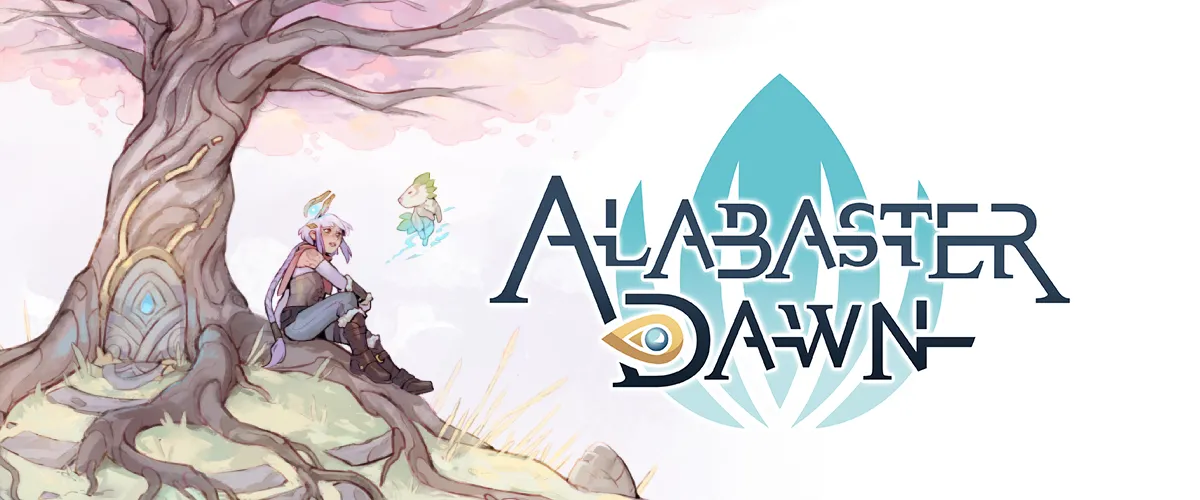
Alabaster Dawn Steam Download and Price
Choose between the Early Access build, free demo, soundtrack, and bundles based on your goals. This section helps you decide where to start and what each option includes.
Compare the Base Game and Demo First
The base game continues beyond the demo and receives ongoing updates. The demo is free and gives a focused preview of combat, puzzles, and exploration quality before purchase.
Use Launch Pricing Windows Carefully
Steam launch pricing can change after introductory windows. Check current discount deadlines before buying, especially if you are also considering soundtrack bundles.
Pick the Right Bundle for Your Intent
Soundtrack bundles are better for players who want both game and OST on day one, while studio bundles are better if you also plan to play CrossCode.
Decide Based on Save Continuity
If you want to test first, demo progression can continue with adjusted placement in Early Access. This makes the demo a low-risk starting path.
Quick Tips
- Demo first if you mainly want to verify controls and performance.
- Buy base game when you plan to continue story progression immediately.
- Choose soundtrack edition when music collection matters to you.
- Check Steam bundle math because discounts can shift during launch week.
Alabaster Dawn Early Access Release Date and Roadmap
Early Access launched on May 7, 2026 and currently covers the opening story arc. Development is planned to continue over a long roadmap focused on story completion and system expansion.
Launch Milestone
The initial Early Access release delivered a polished playable slice with core combat, exploration, puzzle systems, and progression foundations.
Current Story Scope
The present build reaches around the middle of Chapter 2, giving a substantial first arc with optional side content and deeper combat depth.
Planned Update Focus
Future updates expand story chapters, optional dungeons, enemy variety, balancing, and quality-of-life improvements based on community feedback.
Full Version Direction
The full game plan targets a complete seven-chapter journey with significantly larger overall playtime than the launch Early Access version.
Alabaster Dawn Beginner Guide and Walkthrough
Use this first-session route to learn movement, combat rhythm, puzzle language, and upgrade priorities before pushing deeper into harder zones.
Follow Main Objectives First
The early path teaches combat cadence and traversal rules efficiently, so finish onboarding objectives before heavy detours.
Rotate Weapons in Every Fight
Avoid one-weapon tunnel vision. Practicing swaps early builds better tempo control and lets you adapt to enemy resistances and openings.
Treat Puzzle Rooms as Progression
Puzzle interactions are core progression gates. Learn visual clues and test element/weapon interactions before leaving an area.
Collect Upgrade Materials Constantly
Gathering while you explore prevents gear stagnation and reduces later grind spikes when a difficulty jump appears.
Use Side Content to Stabilize Power
Optional quests and dungeons smooth out progression and help you enter new story segments with stronger builds and better sustain.
Alabaster Dawn Demo Guide and Save Transfer
The free demo is ideal for testing pacing and performance. Save progression can transfer with specific adjustments so you can continue without losing key story context.
Demo Access
Download PathInstall the demo directly from Steam. It provides a strong combat and puzzle sample before you commit to Early Access pricing.
Demo Duration
Expected LengthA typical run lasts around 1.5 to 2.5 hours depending on puzzle speed, exploration depth, and combat experimentation.
Two-Part Demo Structure
Content ScopeThe demo includes an opening segment and a forward-jump segment that previews later mechanics and dungeon ideas.
Save Transfer Rule
ContinuityDemo saves are compatible with Early Access, with controlled rollback points to ensure players do not skip major narrative context.
Management Tips
- Use the demo to validate control feel before buying.
- Treat second-segment demo progress as a preview, not final route.
- After purchase, continue from the adjusted story checkpoint provided by Early Access.
- Revisit options after major demo updates to compare balance changes.
Alabaster Dawn Gameplay Overview
Alabaster Dawn is a top-down 2.5D Action RPG from Radical Fish Games, the creators of CrossCode. You play as Juno, the Outcast Chosen, in the ruined world of Tiran Sol, exploring new areas, fighting with weapons and elements, solving puzzles, collecting upgrades, helping settlements recover, and pushing the story forward.
Action RPG Combat
Combat is fast-paced and combo-focused, with 4 elements, 8 weapons, Combat Arts, Divine Arts, and mid-fight setup switching.
Puzzle Dungeons
Dungeons include challenging puzzles, larger boss fights, and environmental problem solving using weapons, elements, and team members.
World Exploration
Tiran Sol is built around hidden paths, treasures, resources, landmarks, checkpoints, and secrets that reward careful exploration.
Story Progression
The story follows Juno trying to restore humanity, uncover what happened to the gods, and break the curse of Nyx.
Settlement Rebuilding
Helping people rebuild settlements can visually change towns, establish trade routes, advance science, and open new paths or opportunities.
RPG Character Growth
Progression includes leveling, equipment, skill trees, weapon gems, core gems, cooking, healing upgrades, and temporary food boosts.
Fast action combat with live setup switching
Puzzle-heavy dungeons and large boss encounters
Exploration across hidden routes and landmarks
Settlement rebuilding tied to long-term progression
Alabaster Dawn Combat Guide
Alabaster Dawn uses a deep, fast-paced combat system inspired by Devil May Cry, Kingdom Hearts, and CrossCode. Combat is built around pressure, movement, combo flow, and flexible loadouts, so strong play means adapting tools to enemy behavior in real time.
Stay Mobile Around Enemy Pressure
Step 1Fights are designed to feel fast, so movement and positioning matter. Circle enemies, avoid staying locked into one rhythm, and look for safe openings before extending a combo.
Build Combos With Weapons
Step 2Weapons are the base of your combo flow. Use regular attacks to keep pressure on enemies, then shift into stronger options when the enemy is open.
Switch Tools During Battle
Step 3Alabaster Dawn lets you change your setup even during combat. Use this to move between weapons, elements, and loadout options when one approach stops working.
Unlock Combat Arts Through Skill Trees
Step 4Each weapon has its own skill tree. Combat Arts come from those weapon trees and give you stylish, stronger moves for extending or finishing fights.
Finish Harder Enemies With Divine Arts
Step 5Divine Arts are powerful spells equipped to elements. They are best treated as high-impact tools for harder enemies, bosses, or moments where basic attacks are not enough.
Alabaster Dawn Weapons and Combat Arts
Alabaster Dawn features 8 unique weapons, and each weapon has its own skill tree. Official materials confirm 2 weapons can be slotted into each element, and setup switching during battle makes weapon choice central to both progression and live combat decisions.
8 Unique Weapons
The combat system is built around a total of 8 unique weapons. These weapons form the main attack options players rotate through during fights. Use weapons as the foundation of your combo flow.
2 Weapons Per Element
At any given time, 2 weapons can be slotted into each element. This links weapon setup directly with elemental loadouts. Pair weapons with the element setup you want to use most.
One Skill Tree Per Weapon
Each weapon has its own skill tree. This means weapon progression is separated, so investing in one weapon does not automatically unlock every tool for another weapon. Focus early upgrades on weapons you actually use often.
Combat Arts
Combat Arts are unlocked from weapon skill trees and are used to hit enemies with stronger, more stylish attacks. Use Combat Arts to extend pressure or punish openings.
Mid-Fight Setup Switching
The game allows setup switching at any time, even during combat. This makes weapon switching part of the active fight plan rather than only a menu choice. Switch when enemies resist your current rhythm or when a different tool fits the situation better.
Alabaster Dawn Elements and Divine Arts
Alabaster Dawn has a 4-element combat system, with weapons and Divine Arts connected to elemental setups. Elements are a core build layer, and switching setups during combat keeps Divine Arts relevant in high-pressure encounters.
4 Elements
The combat system features 4 elements. These elements act as major combat loadout categories rather than simple visual effects.
Element Loadouts
Each element can hold 2 weapons at a time, giving players a structured way to prepare different weapon options for combat.
Divine Arts
Divine Arts are powerful spells equipped to each element. They are designed to finish off harder enemies and add high-impact options to combat.
More Divine Arts in Early Access
The Early Access version 0.1.0 added more Divine Arts, expanding the spell options available beyond the earlier demo content.
New Element in Early Access
The Early Access version 0.1.0 also added a new element, increasing the available elemental combat structure compared with the demo.
Switching During Combat
Because setups can be switched even during combat, elements and Divine Arts are part of real-time decision making in harder fights.
Alabaster Dawn Skill Tree and Gems Guide
Alabaster Dawn is built around long-term RPG progression, not only action combat. Each weapon has its own skill tree, gems can be equipped into weapons and the core for enchantment effects, and Artificers help craft or upgrade gems as your build develops.
Weapon Skill Trees
Unlocks new Combat Arts for each weapon
Every weapon has its own skill tree, so progression is tied to the weapons you actually use instead of one shared attack path.
Focus early upgrades on weapons you can use comfortably in real fights, then branch into extra tools as enemy pressure increases.
Combat Arts
Adds stylish weapon techniques to your regular combo flow
Combat Arts are unlocked through weapon skill trees and give each weapon more active options during battle.
Treat Combat Arts as your main way to turn weapon mastery into stronger burst damage, crowd control, or safer pressure.
Divine Arts
Adds powerful elemental spell options
Divine Arts can be equipped to elements and used as major finishers against stronger enemies.
Pair Divine Arts with weapons and elements you already switch into often, instead of leaving them on rarely used setups.
Gem Slots
Expands how many build effects you can equip
Available gem slots can be expanded through the skill tree, letting your weapons and core carry more enchantment effects.
Extra slots are valuable because they increase build flexibility before you commit to a single damage or utility style.
Gems and Enchantments
Adds stats and situational effects to your build
Gems can be slotted into weapons and the core to activate enchantments ranging from simple stat boosts to effects that change how you approach enemies.
Use simple stat gems when learning a weapon, then switch to situational gems once you understand enemy patterns.
Artificers
Crafts and upgrades gems
Particular NPCs called Artificers are used for gem crafting and upgrades.
Bring upgrade materials from exploration back to Artificers so your build keeps scaling outside of normal leveling.
Upgrade Materials
Supports gear and gem improvement
Treasure found while exploring can include upgrade materials, gems, and other progression rewards.
Hidden paths and optional treasure are worth checking because they can directly improve combat power.
Alabaster Dawn Cooking and Palate Level Guide
Cooking is both a recovery system and a growth system, combining healing bulbs, temporary buffs, ingredients, recipes, and Palate Level progress.
Cooking at Resting Spots
What it does: Lets you prepare dishes during exploration breaks.
Reward: Turns gathered ingredients and recipes into useful recovery or buff options.
Best use: Cook before difficult routes, boss attempts, or long exploration sections.
Healing Bulbs
What it does: Improves your healing options through cooked dishes.
Reward: Cooking can increase your stock of healing bulbs.
Best use: Use healing-focused meals when entering unfamiliar areas or fighting enemies you have not learned yet.
Temporary Food Buffs
What it does: Gives short-term boosts from prepared dishes.
Reward: Food buffs can strengthen future combat, exploration, or survival attempts.
Best use: Use buffs actively instead of saving every meal, because the system is designed to reduce item hoarding.
Ingredients
What it does: Provide the base materials for cooking.
Reward: Ingredients become food XP value when used across different dishes.
Best use: Collect ingredients while exploring so cooking progress keeps growing naturally.
Recipe Rewards
What it does: Adds new meal options to the cooking system.
Reward: Treasure found during exploration can include new cooking recipes.
Best use: Check hidden paths and treasure spots because recipes expand both healing and buff choices.
Palate Level
What it does: Raises the effectiveness of future meals.
Reward: Cooking many different dishes and using boosts increases Palate Level.
Best use: Rotate through different recipes instead of repeating only one favorite dish.
Food XP Loop
What it does: Converts cooking variety into long-term meal growth.
Reward: More ingredient use and food variety help improve future meal effects.
Best use: Treat cooking as part of character progression, not just an emergency healing menu.
Alabaster Dawn Exploration and World Map
Exploration in Alabaster Dawn is tied directly to progression. The world of Tiran Sol contains secrets, parkour routes, treasure, resources, recipes, gems, upgrade materials, settlement growth, and map tools that help players return to unreachable loot later.
Tiran Sol
What to look for: A ruined world filled with structures, secrets, resources, and places to explore.
Player benefit: Exploration supports combat builds, cooking progress, and settlement recovery.
Map tip: Use the map as a long-term checklist, not only as a route marker.
Changing World
What to look for: Areas that visually develop as nature and humanity return.
Player benefit: Settlement advancement can open new paths and opportunities.
Map tip: Revisit improved settlements and nearby routes after major progress.
Seven Planned Areas
What to look for: A large adventure structure planned around seven unique areas.
Player benefit: Each area gives room for secrets, progression rewards, and new exploration goals.
Map tip: Track incomplete zones separately so hidden rewards are not missed.
Hidden Paths and Parkour
What to look for: Jumping routes, hard-to-reach treasure, and traversal-based secrets.
Player benefit: Hidden paths can lead to useful rewards instead of only cosmetic discoveries.
Map tip: Mark loot you cannot reach yet and return after gaining better tools or route knowledge.
Puzzle Exploration
What to look for: Puzzles that use weapons, elements, and team members.
Player benefit: Solving exploration puzzles can lead to treasure and route progress.
Map tip: When stuck, test different weapons, elements, and teammate interactions before leaving the area.
Treasure Rewards
What to look for: Chests and hidden rewards containing recipes, gems, upgrade materials, and other useful items.
Player benefit: Treasure directly feeds cooking, builds, gem upgrades, and character power.
Map tip: Prioritize treasure near branching paths, puzzle rooms, and parkour routes.
World Map Tools
What to look for: Reminders, fast travel between landmarks and checkpoints, and objective markers.
Player benefit: The map supports both guided progression and self-directed exploration.
Map tip: Place reminders on unreachable loot so you can clean up missed rewards later.
Settlements and Routes
What to look for: Rebuilt settlements, trade routes, science advancement, and new community changes.
Player benefit: Helping people can change settlements visually and unlock new opportunities.
Map tip: After settlement upgrades, check connected routes for newly accessible content.
Alabaster Dawn Puzzles Dungeons and Bosses Guide
Puzzles and dungeons remain a major part of Alabaster Dawn, but the design is adjusted from CrossCode feedback. The game still uses weapons, elements, and team members for puzzle solving, while dungeons are planned to be shorter, more organic, and connected to large combat encounters.
Alabaster Dawn Settlements and Trade Routes
The settlement system gives long-term progression outside battles and dungeons. Players help communities, establish trade routes, advance science, and watch the world recover as humanity and nature return to Tiran Sol.
A Ruined World
Player action: Explore Tiran Sol after Nyx has warped the world and humanity has disappeared or fallen into sleep.
Visible result: The world starts as a wasteland, giving the rebuilding arc a clear before-and-after feeling.
Why it matters: This sets up the main goal: Juno must bring people back and help rebuild civilization.
Helping Communities
Player action: Complete story progress, side quests, exploration goals, and settlement-related tasks for the people Juno meets.
Visible result: Communities begin to recover instead of staying as empty ruins.
Why it matters: Settlement growth makes non-combat progress feel useful, not just optional side content.
Settlement Rebuilding
Player action: Support towns as they are rebuilt from rubble into livelier places.
Visible result: Settlements visually change over time, opening new paths and opportunities.
Why it matters: The game uses visible town changes to show that player progress is affecting the world.
Trade Routes
Player action: Restore connections between settlements and help people cooperate again.
Visible result: Trade routes become part of the world-recovery loop alongside exploration and story progress.
Why it matters: Trade routes give the rebuilding system a larger world-scale purpose instead of keeping progress locked to one town.
Science Advancement
Player action: Help settlements develop new advancements while the world and its people return.
Visible result: New advancements are paired with settlement changes and new possibilities.
Why it matters: Science advancement turns community rebuilding into a long-term progression layer beyond weapons, levels, and gear.
Alabaster Dawn Dreamer Roguelite Mode
Early in Juno's adventure on Tiran Sol, she meets Somu, a strange entity known as the Dreamer. Somu allows Juno to enter a dream world built around roguelite-style runs, layered challenges, Dream Shards, Sleep Tokens, blessings, and unlockable perks.
Somu the Dreamer
Somu is a mysterious entity Juno meets early in the adventure. Somu cannot remember much about themselves and asks Juno to enter the dream to help uncover their past.
- Named optional side story feature
- Connected to both story and progression
- Designed to add replayability during Early Access
Seed-Based Dream Runs
Dream runs use unique seeds and are split into layers inspired by areas Juno has already visited. The deeper the run goes, the better the rewards become, while enemies also grow stronger.
- Layer-based run structure
- Boss fight at the end of each layer
- Story progress controls how deep Juno can dive
Blessings During Runs
Blessings are upgrades found inside the Dream. They can be simple stat boosts or stronger effects that change how Juno's attacks behave.
- Temporary run upgrades
- Different rarity levels
- Some blessings appear in special rooms
Dream Shards and Sleep Tokens
Dream Shards drop from enemies, destructible objects, and Dream objectives. They can be spent on blessings during a run, then convert into Sleep Tokens when the dive ends.
- Dream Shards are the in-run currency
- Sleep Tokens are used after the run
- Rewards connect repeated runs to long-term progress
Perks Outside the Dream
Perks are unlocked with Sleep Tokens outside the Dream. They can add new room types, strengthen existing rooms, and be toggled on or off to fit the player's needs.
- Permanent Dream-side progression
- Unlocks depend on story and Dream progress
- Perks can be customized
Main Game Progress Carries In
Juno keeps important main-game progression inside the Dream, including levels, gems, and weapon upgrades. Healing bulbs and boosts reset inside the Dream and return after waking.
- Keeps levels, gems, and weapon upgrades
- Healing resources are adjusted for the mode
- Built as optional replayable content, not a replacement for the main story
Alabaster Dawn System Requirements and Platforms
Alabaster Dawn is available in Early Access on Steam with Windows, SteamOS, and Linux requirements listed. The Steam page also lists single-player support, Steam Cloud, Family Sharing, and English plus Simplified Chinese language support.
Release
Early Access released on May 7, 2026
The Early Access version is playable now on Steam.
Current Platforms
Windows, SteamOS, and Linux
The official Steam page lists Windows and SteamOS + Linux system requirements.
Console Plans
Consoles planned
The official press kit lists console versions as planned, while the current store release focuses on PC and Linux.
Game Mode
Single-player
Steam lists Alabaster Dawn as a single-player game with Steam Cloud and Family Sharing support.
Languages
English and Simplified Chinese
Steam lists English and Simplified Chinese for interface and subtitles. Radical Fish also plans to work on German localization.
Windows Minimum
Windows 10, 2 GHz dual core CPU, 2 GB RAM, hardware-accelerated graphics with dedicated memory, 2 GB storage
Steam recommends 2 GB graphics memory for the minimum graphics target.
Windows Recommended
Windows 10, 2 GHz dual core CPU, 2 GB RAM, GeForce RTX or better, 2 GB storage
Recommended specs keep the same CPU, RAM, and storage target but raise the GPU target.
SteamOS + Linux Minimum
2 GHz dual core CPU, 2 GB RAM, hardware-accelerated graphics with dedicated memory, 2 GB storage
Steam lists a Linux-compatible requirements block alongside Windows.
SteamOS + Linux Recommended
2 GHz dual core CPU, 2 GB RAM, GeForce RTX or better, 2 GB storage
The recommended Linux target mirrors the higher graphics recommendation from Windows.
Alabaster Dawn Patch Notes Hotfixes and Known Issues
Alabaster Dawn launched into Early Access with rapid hotfixes on day one. This update tracker is designed for freshness: it highlights official release content, crash fixes, localization changes, demo-save fixes, performance reports, and common community bug topics.
Hotfix 0.1.0-4
Crash and display fixes after the Early Access launch.
- Fixed some crash issues
- Reduced cases where enemies could fly out of the arena in certain fights
- Corrected 4K resolution behavior
- Removed language options that are not supported yet
Hotfix 0.1.0-3
Localization and progression cleanup.
- Updated Chinese localization
- Deactivated the Silverpeak landmark properly
- Fixed spelling issues
Hotfix 0.1.0-2
Demo-save and UI icon fixes.
- Disabled a landmark from demo saves so content cannot be skipped
- Fixed some high-resolution gamepad icons
- Applied minor fixes and spelling corrections
Hotfix 0.1.0-1
First post-launch demo-save correction.
- Fixed a bug when loading demo saves that had not completed demo content
- Cleaned up an incorrect language/state label shown after launch
Early Access 0.1.0
Initial Early Access launch content.
- Includes the full first area and the complete first dungeon
- Adds a large new area after the dungeon and the second settlement
- Extends the story before and after the demo section
- Adds 6 optional side quests in Lyhamn
- Adds 2 optional dungeons and another larger optional puzzle
- Adds several new enemies and bosses, more Divine Arts, a new element, a new weapon, and the Roguelite Mode near the end of the available plot
Community Watchlist
Common Steam discussion topics after launch include performance, platform support, localization, and save/cloud behavior.
- Very poor performance in Steam overlay mode
- Linux black-pixel rendering reports
- ROG launch problems
- Cloud save configuration reports
- Ultrawide support requests
- MacOS port requests
- German and French localization requests
- Food buff tooltip feedback
Still having issues?
Report bugs with your logs through the official channels: